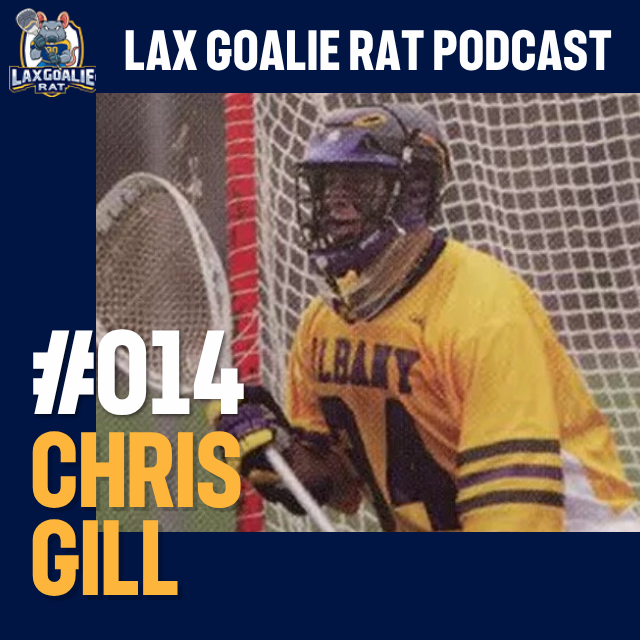
Episode 14: Chris Gill from Crease Beast Lacrosse
In this episode of the LAX Goalie Rat Podcast, Coach Damon Wilson sits down with Parker Ferry, professional lacrosse goalie and former MCLA Division II standout at Montana State University.
Parker shares his unique journey from starting lacrosse as a young goalie in New Jersey to becoming an All-American, Division II Player of the Year, and eventually earning opportunities at the professional level.
He discusses his unconventional path through the MCLA, why he chose to build a program at Montana State instead of pursuing a traditional Division I route, and the dedication it took to turn his lacrosse career into a professional opportunity.
The conversation also covers goalie development, confidence, visualization, training without a goalie coach, adapting goalie mechanics, and the mental approach required to compete at the highest levels.
In This Episode
Parker shares how he became a goalie after being drawn to the position through soccer and hockey, explaining why he always enjoyed making saves more than scoring goals.
He discusses his transition from being a backup goalie in high school to becoming a starter and explains how confidence, preparation, and mental training helped him perform when given opportunities.
Parker explains why he chose the MCLA route at Montana State and how being a four-year starter allowed him to develop as a player, compete at a high level, and help build a successful program.
The conversation explores his journey to professional lacrosse, including creating a highlight tape, attending open tryouts, moving across the country, and putting in the work needed to earn a roster opportunity.
Parker also shares his approach to goalie training, including studying film, seeing as many shots as possible, improving reaction time, and developing better movement patterns in the cage.
Key Takeaways
Confidence is a skill that can be developed
Goalies perform their best when they trust their preparation. Building confidence through repetition, visualization, and experience is essential.
See as many shots as possible
The more shots goalies see, the more instincts and reactions they develop. Repetition helps saves become automatic.
The MCLA is a legitimate path
Playing college lacrosse is not limited to Division I. The MCLA provides opportunities to compete, develop, and make an impact.
Learn from watching elite goalies
Studying film and observing high-level goalies can help younger players understand positioning, movement, and decision making.
Reset quickly after goals
Giving up goals is part of playing goalie. The ability to move forward and focus on the next save separates great goalies.
Focus on athletic development
Explosive movements, agility, hand-eye coordination, and quickness are key components of becoming a better goalie.
Topics Covered
- Becoming a lacrosse goalie at a young age
- Transitioning from backup goalie to starter
- Developing confidence in the cage
- Mental preparation and visualization
- Choosing MCLA over Division I lacrosse
- Building a successful college program
- Going from MCLA to professional lacrosse
- Attending professional tryouts
- Training without a dedicated goalie coach
- Studying film to improve technique
- Developing better goalie instincts
- Reading shots and anticipating shooters
- Changing goalie mechanics over time
- Professional goalie training routines
- Explosive workouts and athletic development
- Using jump rope and hand-eye drills
- Handling mistakes and staying mentally strong
- Common mistakes among young goalies
- Off-stick hip movement and positioning
- Goalie equipment preferences and setup
Memorable Moments
Parker explains how he went from being a player who mainly played lacrosse to spend time with friends into someone who committed fully to becoming the best goalie he could be.
He shares the story of traveling across the country for professional tryouts, including the dedication and sacrifice required to chase an opportunity at the next level.
Parker discusses how he improved without having a dedicated goalie coach by studying college goalies, watching film, and constantly experimenting with his technique.
One of the biggest lessons from the conversation is Parker’s belief that confidence comes from preparation. Whether it is visualization, training, or seeing more shots, goalies improve when they consistently put themselves in situations that build trust in their abilities.
Guest
Parker Ferry
Professional lacrosse goalie and former MCLA Division II All-American at Montana State University.
Resources Mentioned
- LAX Goalie Rat Podcast
- MCLA Lacrosse
- Montana State Lacrosse
- Professional lacrosse tryouts
- Goalie film study
- Visualization exercises
- Hand-eye coordination drills
- Explosive training workouts
- Goalie-specific shooting sessions
Sponsor
This episode is sponsored by the LAX Goalie Rat Camp.
The online camp includes instructional videos and drills covering goalie technique, footwork, positioning, clearing, and the mental side of goaltending.
Learn more at laxgoalierat.com/goal
Closing
Parker Ferry’s story proves that there is more than one path to becoming an elite lacrosse goalie.
Through confidence, consistent training, studying the game, and embracing challenges, goalies can continue improving no matter where they start.
The best goalies are not defined by where they begin—they are defined by their commitment to getting better every day.