Bob Rule on Goalie Fundamentals, Mental Toughness, and the Art of Goaltending
Episode Overview
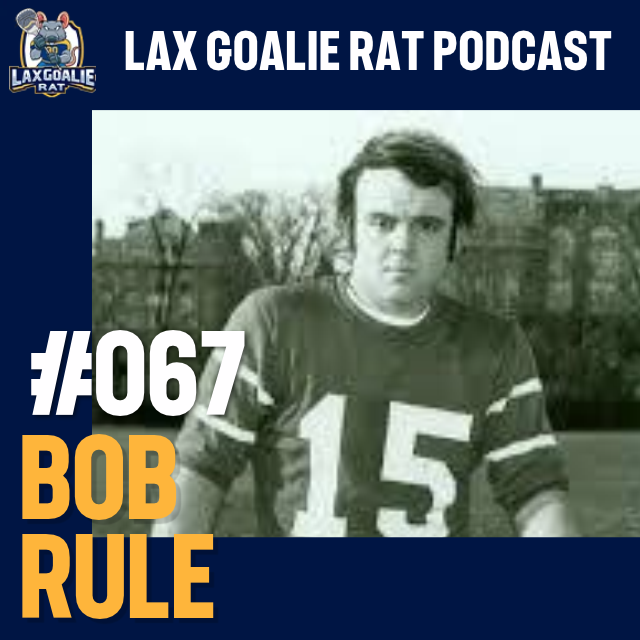
In Episode 67 of the Lax Goalie Rat Podcast, Coach Damon Wilson sits down with legendary lacrosse goalie Bob Rule, who played at Cornell in the 1970s, competed for Team USA, and spent 35 years coaching at Manhasset. Bob shares the experiences and principles that shaped his career, from transitioning from ice hockey goalie to lacrosse goalie to developing the fundamentals, mindset, and leadership skills that helped him succeed.
Bob discusses why mastering the basics is essential, how goalies can use their bodies to make saves, and why understanding angles and positioning should come before trying advanced techniques. He also shares his thoughts on modern goalie equipment and the need for stronger protective gear, explaining why safety standards should evolve alongside the speed and power of today's game.
The conversation explores positive mental attitude, having a short memory after allowing a goal, studying shooters, preparing a plan for different situations, and communicating effectively with defenders. Bob also reflects on the value of extra practice, learning from other goalies, and the lifelong friendships and lessons that lacrosse can provide.
What You'll Learn in This Episode
-
Learning the fundamentals: Why goalies should master angles, positioning, and knowing where they are in the crease before moving on to more advanced techniques.
-
Using your body to make saves: How Bob's ice hockey background influenced his lacrosse style and taught him to step toward the ball.
-
Adapting to the modern game: Bob's perspective on how faster shots, improved athletes, and year-round training have changed the goalie position.
-
Prioritizing goalie safety: Why Bob believes protective equipment should keep pace with the game and why mandatory equipment standards could help protect goalies.
-
Developing a positive mental attitude: Why goalies need a short memory after allowing a goal and should focus on the next shot instead of dwelling on mistakes.
-
Supporting your defense: How understanding your role as the last line of defense can help you stay positive and encourage your teammates rather than blame them.
-
Knowing your personnel: Why goalies should understand their defenders' strengths and weaknesses, particularly when making decisions during clears and defensive situations.
-
Creating a plan for every situation: How preparing for one-on-ones, crease plays, and different shooting tendencies can help goalies react with purpose instead of simply relying on instinct.
-
Tracking your performance: How recording where goals are scored can reveal patterns and help you identify specific areas to work on during practice.
-
Making the most of extra practice: How Bob trained independently, practiced with college players, worked on his clearing skills, and used tennis balls to improve his reactions.
-
Studying opposing shooters: Why observing shooting mechanics, dominant hands, body movements, and tendencies can give goalies an advantage.
-
Being aggressive around the crease: How anticipating passes, challenging nearby attackers, and disrupting potential feeds can prevent scoring opportunities before they develop.
-
Communicating with authority: Why short, clear instructions and reminders about defensive assignments can keep teammates organized and focused.
-
Becoming a student of the game: Why watching other goalies, learning from coaches, and adapting useful techniques to your own style can help you improve.
Key Takeaways
-
Build your game on the basics. Learn your angles, understand your position in the crease, and develop consistent habits.
-
Have a plan before you step into the cage. Think about how you will approach different shots and game situations.
-
Develop a short memory. Once a goal is scored, reset your mind and prepare for the next opportunity.
-
Stay positive with your defense. Your job is to help make up for mistakes, not to blame teammates when things go wrong.
-
Study the game, not just the ball. Pay attention to shooters' tendencies, off-ball movement, and opportunities to disrupt passes.
-
Use practice to address weaknesses. Track where goals are scored and work on specific areas rather than trying to fix everything at once.
-
Communicate in short, clear bursts. Make defensive assignments and responsibilities easy for teammates to understand.
-
Keep learning from other goalies, but develop a style that works for you.
-
Enjoy the game. The friendships, challenges, and lessons you gain from lacrosse can stay with you long after your playing career ends.
About Bob Rule
Bob Rule was a standout lacrosse goalie at Cornell University in the 1970s and competed for Team USA. He also played collegiate hockey, becoming part of national championship teams in both sports. Following his playing career, Bob coached at Manhasset for 35 years and continued sharing his knowledge of the game with younger athletes.
Bob is the author of Power Goaltending, a book that shares his approach to goaltending, including fundamentals, preparation, positioning, and the mental side of the position. His philosophy emphasizes learning the basics, practicing with purpose, staying positive, and understanding that a goalie succeeds as part of a team.
Resources Mentioned
-
Power Goaltending: Bob Rule's book on goalie technique, preparation, and mindset.
-
Lax Goalie Rat Online Camp: LaxGoalieRat.com/goal
-
Lax Goalie Rat article on goalie equipment: The discussion highlights the importance of appropriate protective equipment and continued improvements in goalie safety.
Thanks for listening to the Lax Goalie Rat Podcast. Keep working on the fundamentals, study the game, support your defense, and remember Bob's final advice: have fun and be a student of the game.