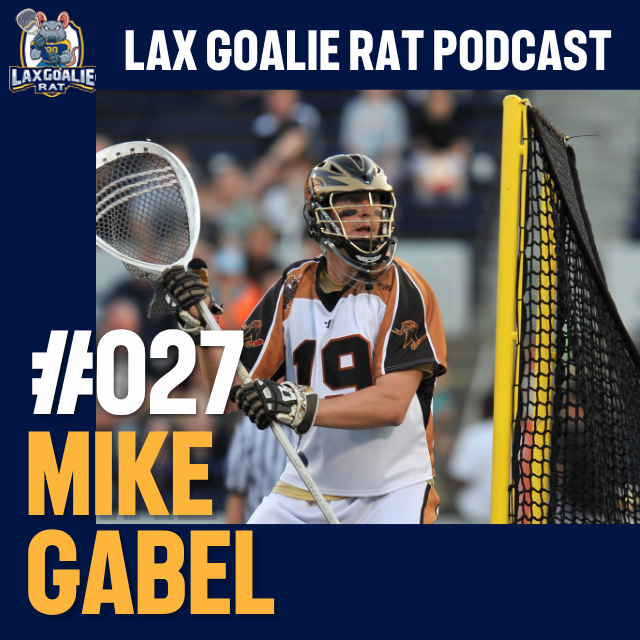
Former professional goalie and coach Mike Gabel shares lessons from every stage of his lacrosse journey—from discovering the position in high school to competing in Major League Lacrosse and coaching the next generation of goalies. Along the way, he discusses the players who inspired him, how his technique evolved at higher levels, and why confidence is often more important than perfect mechanics.
Mike also dives into the physical and mental aspects of elite goalie play, explaining how preparation, explosiveness, and mindset helped shape his career. Whether you're a young goalie, coach, or parent, this episode offers practical advice on developing your game, handling adversity, and embracing opportunities under pressure.
In This Episode
-
Mike's early goalie influences, including Trevor Tierney and Tillman Johnson
-
How his playing style changed from high school to college and the MLL
-
Why studying elite goalies can accelerate your own development
-
Adjusting arc depth and hand positioning as competition improves
-
Knowing when to stop changing your technique and trust your instincts
-
The importance of confidence in goalie development
-
Training methods that built quickness, explosiveness, and reaction time
-
Why jump rope, squash, plyometrics, and footwork were staples of his workouts
-
Mike's transition from hockey to lacrosse and the coach who changed his career path
-
Advice he would give his younger self
-
Why goalies often develop later than field players
-
Staying mentally ready as a backup goalie
-
Supporting teammates while preparing for your own opportunity
-
Developing routines to reset after giving up goals
-
Focusing on controllable factors instead of outcomes
-
Adopting an aggressive mindset that embraces pressure instead of avoiding it
Key Takeaways
-
Study successful goalies, but build a style that fits your own strengths.
-
Technique should evolve as you move to higher levels of play.
-
Confidence comes from preparation, not perfection.
-
Consistent conditioning and explosive training improve reaction time and athleticism.
-
Great coaches know when to stop over-coaching and allow athletes to trust themselves.
-
Goalies shouldn't define themselves by one save or one goal allowed.
-
Build routines that help you mentally reset after mistakes.
-
Focus on what you can control: preparation, communication, effort, and attitude.
-
Backup goalies play a critical role by staying prepared and supporting their teammates.
-
Pressure situations are opportunities to make game-changing plays, not moments to fear.
Memorable Quotes
"I wanted to be playing in those big games."
"I would really study some of the other goalies and watch what they do."
"Let's stay with what's working for you."
"Confidence is built through preparation."
"Treat every shot like it's a brand new one."
"Focus on the things you can control."
"I want them to shoot it on me so I can make the game-winning save."
"Step up to the challenge instead of trying to hide from it."
Training Tips from Mike
-
Jump rope regularly to improve footwork and conditioning.
-
Incorporate ladder drills, box jumps, and plyometric exercises.
-
Prioritize explosiveness over heavy strength training.
-
Spend time simply tracking the ball and reacting from different release points.
-
Watch film of elite goalies and learn from different styles.
-
Develop a stance and technique that gives you confidence.
Coaching Corner
Mike believes one of the most valuable things a coach can do is help athletes develop ownership of their game. While fundamentals matter, constantly correcting mechanics can undermine confidence. As players mature, coaches should become mentors who reinforce strengths, encourage growth, and make adjustments only when needed.
Mental Performance
One of the biggest themes of the conversation is mindset. Mike explains that goalies shouldn't rely on making an early save to build confidence. Instead, confidence should come from preparation and a focus on controllable actions. By treating every shot as a new opportunity and welcoming pressure moments, goalies can stay composed and perform at their best—even after giving up goals.
Who Should Listen?
-
Youth and high school lacrosse goalies
-
College goalkeepers
-
Goalie coaches and trainers
-
Parents of developing athletes
-
Players looking to improve confidence and consistency under pressure
Episode Takeaway
Elite goalies aren't defined by having perfect technique or never allowing goals. They're defined by their preparation, adaptability, resilience, and willingness to embrace the next challenge. Mike Gabel's journey shows that confidence is earned through consistent work, a growth mindset, and trusting the process.